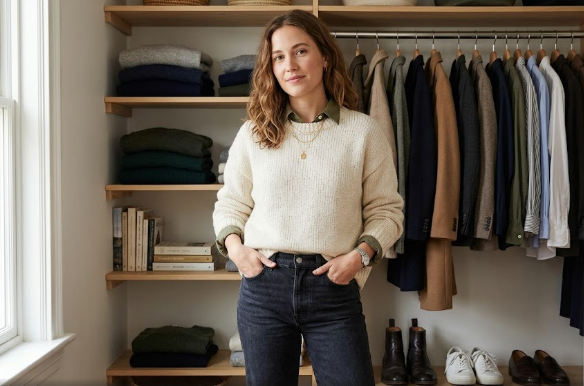
Fashion is often associated with changing trends, new collections and the latest looks appearing across social media. But developing a strong personal style is rarely about owning more clothes or keeping up with every trend. It is about understanding what works for you and building a wardrobe that reflects your personality, lifestyle and everyday needs.
In an era when fashion inspiration is available at the tap of a screen, consumers have more choices than ever before. From celebrity looks and street-style inspiration to influencer-led trends and online shopping, the constant flow of new ideas can make dressing feel exciting but also confusing. A personal style offers a way to bring that noise down to something more individual and practical.
Start with the wardrobe you already have
One of the easiest ways to understand personal style is to look at the clothes already being worn.
The pieces that repeatedly find their way into daily outfits can reveal preferences in colours, fabrics, silhouettes and comfort. Someone may discover that they naturally prefer relaxed trousers and oversized shirts, while another person may feel more confident in structured jackets, dresses or traditional silhouettes.
The clothes that remain untouched can be equally revealing. An item may have looked attractive online or in a store, but if it does not fit comfortably or suit the person's routine, it is unlikely to become a wardrobe favourite.
This simple exercise can make future shopping more intentional and reduce purchases that eventually sit unused.
Build around your actual lifestyle
Personal style becomes easier when fashion choices are connected to real life.
A professional working in a formal environment may need tailored trousers, shirts, jackets and polished footwear, while someone working from home or in a creative setting may have greater freedom to experiment with relaxed separates, denim, knitwear or contemporary casualwear.
The goal is not to create a visually perfect wardrobe. Instead, it is to create one that supports the way a person actually lives.
A few versatile staples can provide a strong foundation. Well-cut trousers, jeans, shirts, simple tops, a versatile jacket and comfortable footwear can be mixed and matched to create several looks. Seasonal and trend-led pieces can then be added without making the wardrobe difficult to manage.
The right fit can transform familiar clothes
Sometimes, refreshing a wardrobe does not require buying anything new.
Fit and proportion can dramatically influence how an outfit looks. The length of trousers, the shoulder line of a jacket, the placement of a shirt or the balance between fitted and relaxed pieces can change the overall appearance.
This is why tailoring remains an important part of fashion. A small alteration can improve the way a garment sits on the body and make an older piece feel more polished.
Understanding proportion also gives consumers greater freedom to experiment. Instead of relying on expensive new purchases, they can create different looks by changing how existing pieces are combined.
Colour can become a signature
Colour is another powerful tool for developing an individual fashion identity.
Some wardrobes naturally revolve around black, white, beige, navy and other neutral shades, while others are built around bright colours, pastels or earthy tones. There is no requirement to follow a particular palette.
Identifying the colours that a person repeatedly chooses can provide a useful starting point. Neutrals can create a flexible base, while brighter shades can be introduced through shirts, jackets, bags, footwear or jewellery.
Over time, these choices can become part of a recognisable visual identity.
Accessories can change an outfit without changing the wardrobe
Accessories offer one of the simplest ways to experiment with fashion.
A belt, watch, scarf, handbag, sunglasses or jewellery can give a basic outfit an entirely different character. They can introduce colour, texture or personality without requiring a major change in clothing.
For people who are cautious about experimenting with new trends, accessories can therefore provide an easier starting point. A simple outfit can become more contemporary simply through thoughtful styling.
Trends work better as inspiration than instruction
Fashion trends can be fun and useful, but following every new aesthetic can make personal style difficult to establish.
A more sustainable approach is to treat trends as sources of inspiration. A person might incorporate a new colour, silhouette or fabric into an existing wardrobe rather than replacing everything with the latest look.
This allows consumers to participate in contemporary fashion while retaining the elements that make their style recognisable.
Social media has expanded fashion inspiration
Digital platforms have transformed the way people discover and discuss fashion. Outfit videos, styling tutorials, street-style photographs and creator content allow consumers to explore fashion ideas from different cultures and cities without leaving home.
But inspiration does not always need to be copied exactly.
A look created for a particular climate, body type, lifestyle or occasion may not translate directly into another person's daily life. Adapting an idea to suit individual needs can make fashion experimentation more meaningful.
The digital fashion economy has therefore created not only more choices but also a greater need for consumers to understand their own preferences.
Personal style can encourage smarter shopping
Knowing what works can also change the way people spend money on clothing.
When consumers have a clearer understanding of their preferred colours, fits and silhouettes, they may be less inclined to buy items simply because they are fashionable at the moment. Instead, they can focus on pieces that work with clothes they already own.
Versatility becomes particularly valuable. A shirt that can be worn with jeans, trousers or layered under a jacket can offer more value than an item that works for only one occasion.
This approach shifts the focus from constantly expanding the wardrobe to making each purchase more useful.
Style is not something that has to remain fixed
Personal fashion identity is not permanent. It can evolve as careers change, lifestyles develop, seasons shift and individual preferences mature.
Someone who prefers minimalist clothing today may become more experimental in the future. Similarly, a person who once relied heavily on trends may eventually develop a more defined and selective wardrobe.
The important part is to allow that evolution rather than treating personal style as a fixed formula.
Fashion becomes more meaningful when it feels personal
A well-developed personal style can make everyday dressing easier because it reduces the pressure of constantly deciding what is fashionable. Instead of asking whether an outfit matches the latest trend, consumers can ask a more useful question: does this look feel right for me?
That shift can encourage greater confidence, smarter consumption and more creative use of existing clothing.
Ultimately, fashion does not need to be a competition to own the newest pieces. It can be a personal language shaped by comfort, confidence, creativity and individual expression. When clothing reflects the person wearing it rather than simply the trend of the moment, getting dressed becomes less complicated — and much more enjoyable.