Second-year initiative promotes inclusive festival experiences at Delhi NCR pandals, through improved mobility, accessible communication, sensory considerations, and volunteer sensitisation
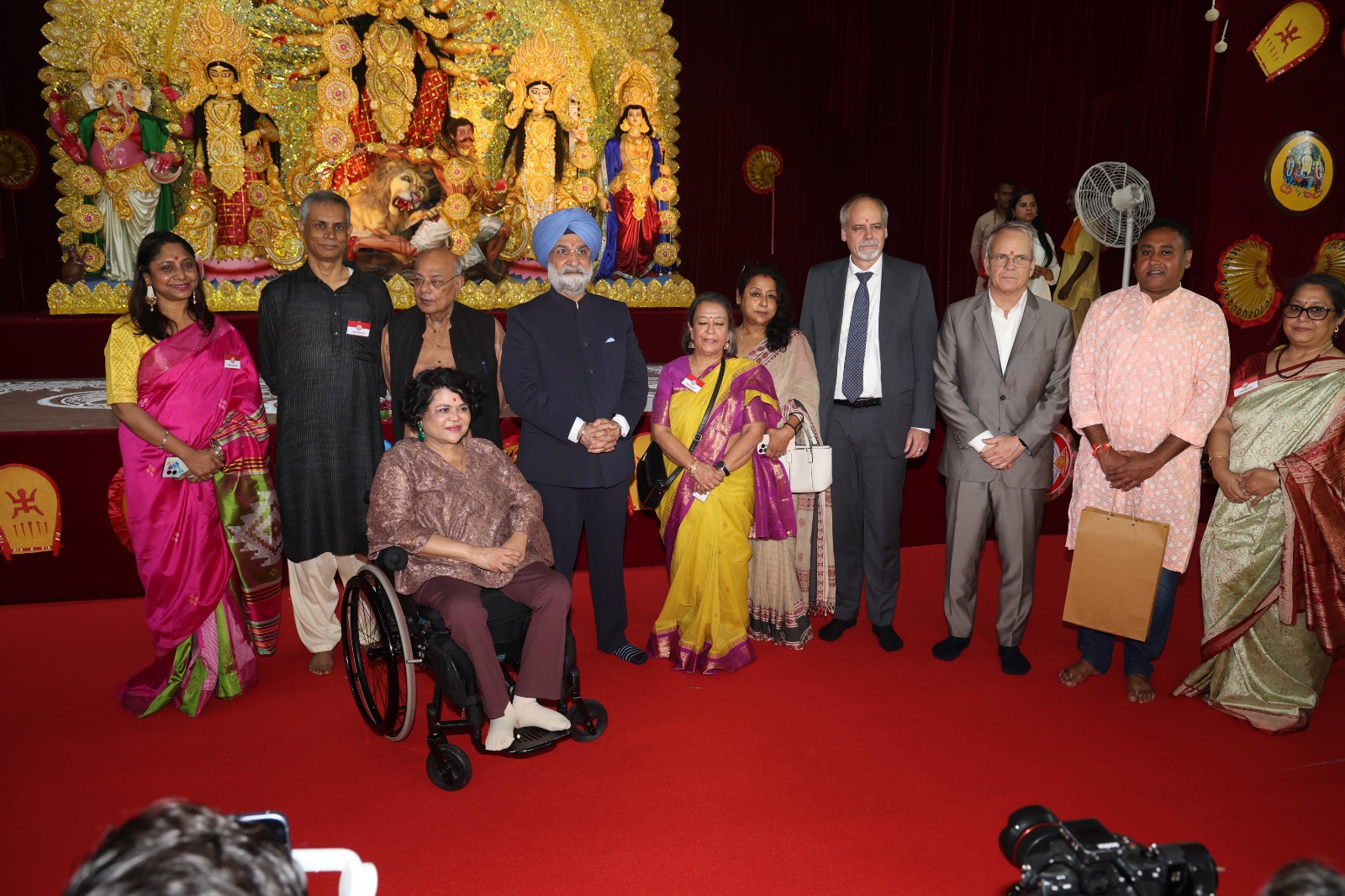
New Delhi | Oct 18: Accessibility organization Svayam, in partnership with the United Nations in India and UNESCO, is advancing its accessible Durga Puja initiative for a second year, supporting participating pandals across Delhi NCR in welcoming persons with disabilities and persons with reduced mobility. Building on the campaign launched in 2025, the initiative encourages participating Puja committees to address barriers to participation for persons with disabilities and persons with reduced mobility through practical accessibility measures, inclusive communication and volunteer sensitisation.
The inauguration at Sarbojanin Durga Pooja Society, Pandaara Road, took place at 6:15 PM yesterday in the presence of Taranjit Singh Sandhu, Lieutenant Governor of Delhi, Stefan Priesner, United Nations Resident Coordinator, United Nations, Mr. Tim Curtis, Director & Representative, UNESCO Regional Office for South Asia, and Sminu Jindal, Founder-Chairperson, Svayam.
The 2026 programme addresses the experience of attending Puja, from reaching the idol and joining rituals to enjoying cultural performances and sharing bhog. Participating committees are implementing or preparing measures suited to their venues, including levelled pathways, ramps, wheelchair availability, designated seating, accessible information, and spaces for visitors with sensory sensitivities. Svayam is also directly conducting volunteer sensitisation at participating pandals to strengthen assistance for visitors.
The initiative began last year with efforts to integrate accessibility into Durga Puja preparations, supported by guidelines covering infrastructure, communication, inclusive programming, emergency preparedness, volunteer training, and attitudes. The ongoing efforts across Delhi NCR seek to translate these principles into practical measures that enable more people to participate in cultural celebrations.
Sminu Jindal, Founder-Chairperson of Svayam, remarked, “A family should be able to decide where to celebrate based on faith and preference, without first calculating whether a loved one can enter, stay or take part. Exclusion also affects relatives who change their plans, miss an occasion or remain at home together. Their absence rarely enters an organiser’s assessment of success. We must listen to these experiences and involve the people affected in decisions from the beginning. The strongest measure of progress will be their freedom to make ordinary choices, with confidence that their requirements have been considered and their presence valued as members of the wider community.”
The arrangements reflect a growing recognition of different access requirements. At the Cooperative Ground Durga Puja Samity in CR Park, the main route from the drop-off point to the pandal has been levelled, and wheelchairs are available. Dakshin Delhi Kalibari Association in R.K. Puram is already providing bilingual signage, with temporary ramps planned wherever levels change. Balaka Bengali Cultural Association in Noida Sector 61 plans reserved seating during cultural programmes, assistance during Pushpanjali, and tables for persons with reduced mobility during bhog.
Sensory and communication access also feature in this year’s preparations. Bangiya Parishad in Gurugram plans a designated hour with reduced stimulation and calm rooms throughout the day. Durgotsab GK-II, where Braille signage and calm rooms were introduced last year, will have volunteer sensitisation conducted by Svayam. At Pandara Road, planned provisions include a tactile model of the idol, sign language interpretation, and performances by visually impaired schoolchildren.
“A society’s strength is reflected in whether everyone can participate fully in its public and cultural life. Article 30 of the Convention on the Rights of Persons with Disabilities recognises the right of persons with disabilities to take part in cultural life on an equal basis with others. Making Durga Puja accessible brings this commitment into focus, showing how collaboration among government, civil society and communities can translate international principles into practical change and more equal participation.”said Stefan Priesner, UN Resident Coordinator.
Tim Curtis, Director and Representative, UNESCO Regional Office for South Asia further added, “Durga Puja, celebrated most notably in Kolkata, West Bengal, as well as in other parts of India was inscribed on UNESCO’s Representative List of the Intangible Cultural Heritage of Humanity in 2021. Safeguarding this heritage for the future also means ensuring that its celebrations are accessible to all. The initiative, ‘Enhancing Universal Accessibility During Cultural Festivals’, puts into practice the principles of UNESCO’s Convention for the Safeguarding of the Intangible Cultural Heritage and the United Nations Convention on the Rights of Persons with Disabilities, demonstrating how cultural life can be both vibrant and inclusive. The measures being advanced across Delhi NCR show how practical improvements in infrastructure, communication and community awareness can make festivals more accessible. Our collective goal must be to embed accessibility in cultural planning from the outset, enabling everyone to participate fully, independently and with dignity.”

